









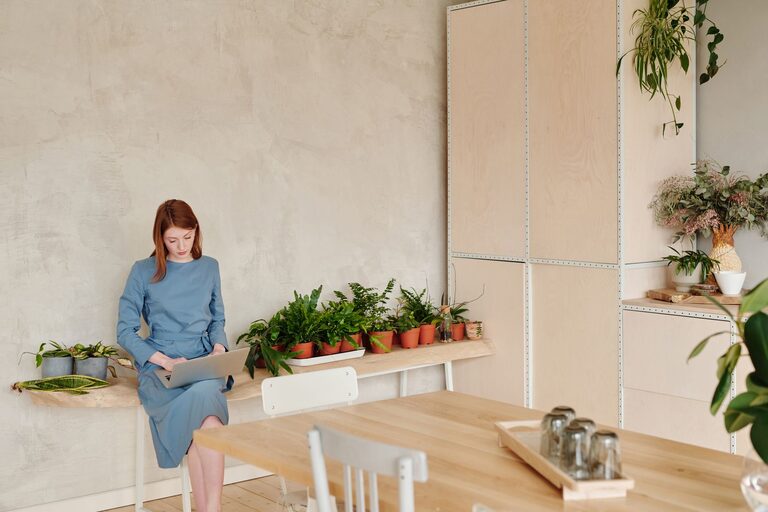
Designing an eco-friendly home office is a smart way to reduce your carbon footprint while creating a comfortable and inspiring workspace. Many of us spend hours working from home, so making this space environmentally conscious benefits both the planet and your everyday routine. Whether you’re setting up a new office or revamping your current one, here are practical tips to help you design a sustainable, eco-friendly home office space.
Why Choose an Eco-Friendly Home Office?
Before diving into design tips, it’s helpful to understand the benefits of an eco-friendly workspace. It can:
– Reduce energy consumption and lower utility bills
– Improve indoor air quality and promote health
– Minimize waste by using sustainable materials
– Create a calming environment supporting focus and productivity
With these advantages in mind, let’s explore how to bring eco-friendly principles into your home office design.
1. Choose Sustainable Furniture
Start by selecting furniture made from sustainable or recycled materials. Look for desks and chairs crafted from reclaimed wood, bamboo, or metal rather than plastic or non-certified wood products.
– Reclaimed Wood: Gives character and reduces demand for new lumber.
– Bamboo: A rapidly renewable resource that’s sturdy and stylish.
– Secondhand Furniture: Gives existing pieces a new life and reduces waste.
Also, consider furniture durability and ergonomics to ensure it lasts long and supports good posture.
2. Optimize Natural Lighting
Utilize natural light as much as possible to cut down on electricity use. Position your desk near windows to make the most of daylight.
– Use light curtains or blinds to control glare without blocking the sun.
– Incorporate mirrors to reflect natural light deeper into the room.
– Avoid heavy drapes that can absorb light and make the space darker.
Natural lighting not only saves energy but also improves mood and productivity.
3. Incorporate Energy-Efficient Lighting
For times when natural light isn’t enough, choose energy-efficient lighting options:
– LED Bulbs: Use up to 75% less energy than traditional bulbs and last longer.
– Task Lighting: Use desk lamps or adjustable lights to illuminate specific work areas.
– Smart Controls: Motion sensors or smart plugs can reduce unnecessary energy use.
Proper lighting can reduce eye strain and save energy.
4. Use Non-Toxic Paints and Finishes
Many paints and finishes emit volatile organic compounds (VOCs) that negatively affect indoor air quality. Opt for:
– Low-VOC or zero-VOC paints
– Natural stains and finishes made from plant oils or other eco-friendly ingredients
These choices promote healthier air and reduce environmental toxins.
5. Integrate Indoor Plants
Adding plants inside your office enhances air quality by absorbing pollutants and producing oxygen. Plus, plants can boost your mood and reduce stress.
– Choose low-maintenance varieties like spider plants, pothos, or snake plants.
– Use recycled or biodegradable pots to keep the eco-friendly theme consistent.
Plants also bring natural beauty and warmth to your workspace.
6. Minimize Electronic Waste
Office electronics impact the environment through energy use and waste. To reduce this:
– Choose energy-efficient devices certified by programs like ENERGY STAR.
– Maintain and repair gadgets to extend their life.
– Recycle old electronics properly at designated centers.
Also, unplug devices when not in use to prevent “phantom” energy consumption.
7. Reduce Paper Waste
Go digital where possible to minimize paper use. When you do need to use paper, consider eco-conscious alternatives:
– Use recycled or FSC-certified paper
– Print double-sided and reduce unnecessary printing
– Reuse scrap paper for notes
Additionally, set up a recycling system in your office to keep paper out of landfills.
8. Select Eco-Friendly Office Supplies
Not all office supplies are created equal. Choose items that reflect sustainability:
– Pens made from recycled material or refillable designs
– Notebooks with recycled paper covers and pages
– Biodegradable or compostable desk accessories
Even small changes add up over time to reduce plastic usage and waste.
9. Improve Insulation and Ventilation
A well-insulated and ventilated office keeps the temperature comfortable naturally, cutting down heating and cooling needs.
– Add draft-proofing around windows and doors.
– Use breathable window coverings and consider installing energy-efficient window glass.
– Ensure good airflow with fans or open windows when weather permits.
This approach saves energy and maintains a healthier indoor environment.
10. Personalize Sustainably
Add personal touches without compromising your eco-friendly principles:
– Decorate with handmade or locally sourced art
– Use natural fiber rugs or cushions made from organic materials
– Repurpose or upcycle decor pieces
Sustainable personalization makes your workspace uniquely yours while respecting the environment.
—
Creating an eco-friendly home office is about making thoughtful choices that support both your work life and the planet. By incorporating sustainable furniture, improving lighting and air quality, reducing waste, and choosing responsible supplies, you cultivate a green workspace where you can thrive. Start small, and you’ll find that each step toward sustainability makes your home office a healthier and happier place to be.