





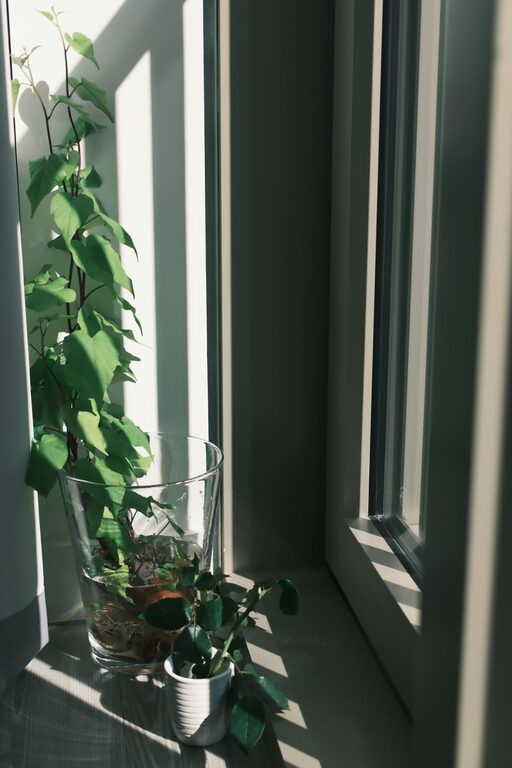
Bringing plants indoors is a wonderful way to improve your living space’s atmosphere and air quality. However, keeping your indoor plant collection healthy throughout the year requires some attention to their changing needs across seasons. In this post, we’ll explore practical tips to help your plants thrive regardless of the time of year.
Understanding Your Plants' Needs
Different indoor plants come from diverse environments, ranging from tropical rainforests to arid deserts. Knowing the natural habitat of your plants can guide you in providing the right care, including light, water, temperature, and humidity.
Light
Light is one of the most critical factors for healthy indoor plants. Plants that require bright, direct light include succulents and cacti, while others such as ferns and pothos prefer low to medium light.
– Adjust for Seasonal Changes: Natural daylight varies with seasons. In winter, place plants closer to south- or west-facing windows for maximum light.
– Use Artificial Lights: During darker months, consider using grow lights to supplement natural light, especially for plants with higher light demands.
Watering Wisely
Overwatering is one of the most common mistakes with indoor plants. Different plants have different water needs, so it is important to understand the specific requirements.
– Check Soil Moisture: Use your finger or a moisture meter to check if the soil is dry before watering.
– Adjust with Season: Most plants need less water during the colder months due to slower growth.
– Water Quality: Use room temperature water and avoid water with high chlorine. Let tap water sit for 24 hours before using if possible.
Maintaining Humidity
Indoor environments, particularly in winter, can become dry due to heating systems. Many tropical plants thrive in higher humidity.
– Use Humidifiers: These can efficiently increase humidity in the room.
– Group Plants Together: Clustering plants creates a microenvironment with increased moisture.
– Misting: Occasionally mist plants, but avoid overdoing it to prevent fungal issues.
Temperature and Air Circulation
Most indoor plants prefer temperatures between 65°F and 75°F.
– Avoid Drafts: Keep plants away from cold drafts, heater vents, or air conditioners.
– Ensure Good Airflow: Proper circulation helps prevent pests and fungal problems but avoid placing plants in direct cold or hot air blow.
Seasonal Plant Care Tips
Spring and Summer
– Repotting: This is the best time to repot if your plant has outgrown its current pot.
– Feeding: Fertilize regularly to support vigorous growth.
– Pest Checks: These seasons often bring an increase in pests, so inspect leaves regularly.
Fall and Winter
– Reduce Watering: Plants grow slower, and less water is needed.
– Limit Fertilizing: Most plants don’t need fertilizer during dormancy.
– Provide Extra Light: Use supplementary lighting to compensate for shorter days.
Common Indoor Plant Care Mistakes to Avoid
– Ignoring the Pot Drainage: Always ensure pots have drainage holes to prevent root rot.
– Using the Wrong Soil: Use soil appropriate for each plant type, such as cactus mix for succulents.
– Neglecting to Clean Leaves: Dust can block sunlight, so wipe leaves gently with a damp cloth.
Monitoring Plant Health
Keep an eye on your plants for signs of stress:
– Yellowing leaves may indicate overwatering.
– Brown leaf tips can be a sign of low humidity or fertilizer burn.
– Wilting often means underwatering, but could also be root disease.
If pests appear, treat them promptly with gentle methods such as neem oil or insecticidal soap.
Final Thoughts
A thriving indoor plant collection is achievable with a little attention to detail throughout the year. By understanding your plants’ specific needs and adjusting care based on seasonal changes, you can create a vibrant indoor garden that enhances your home environment and brings you joy year-round.
Happy planting!